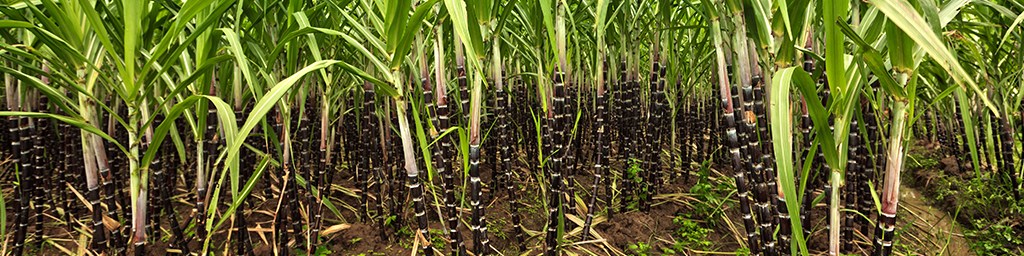
Sugarcane is one of the most nutrient-demanding crops grown in agriculture. Its long growing cycle, high biomass production, and continuous nutrient requirement place considerable pressure on soil fertility. Farmers often focus heavily on supplying nitrogen, phosphorus, and potassium through chemical fertilisers in order to maintain high yields. While these inputs support rapid crop growth, long-term dependence on chemical fertilisers alone can gradually weaken soil structure, reduce microbial activity, and lower the soil’s natural fertility over time.
As concerns around soil degradation and input costs continue to grow, many farmers are turning towards more balanced and sustainable nutrient management practices. Organic fertilisers are becoming an increasingly important part of sugarcane cultivation because they improve not only crop nutrition, but also the biological and physical condition of the soil itself.
Organic fertilisers support gradual nutrient release, improve moisture retention, strengthen microbial activity, and contribute organic carbon back into the soil. Rather than treating soil simply as a medium for holding roots, organic farming approaches recognise soil as a living system that must remain biologically active in order to sustain long-term productivity.
Why Soil Health Matters in Sugarcane Farming
Sugarcane removes large quantities of nutrients from the soil during each growing cycle. If these nutrients are not replenished properly, soil fertility begins to decline. Over time, repeated cultivation without sufficient organic matter addition can result in soil compaction, reduced water infiltration, lower microbial populations, and weaker root development.
Healthy soil performs several important functions simultaneously. It stores nutrients, regulates water movement, supports microbial communities, and allows roots to grow freely. Organic matter plays a central role in maintaining all of these processes.
When organic fertilisers are added regularly, they improve soil aggregation and increase the soil’s ability to hold moisture and nutrients. This becomes particularly valuable in sugarcane cultivation because the crop requires consistent moisture and steady nutrient availability throughout its long growth period.
Organic inputs also support beneficial microorganisms that contribute to nutrient cycling. These microorganisms help decompose organic matter, release nutrients gradually, and improve nutrient availability within the root zone. Biological activity of this kind is essential for maintaining long-term soil productivity.
The Importance of Organic Carbon
One of the major advantages of organic fertilisers is their ability to increase soil organic carbon levels. Organic carbon acts as a primary energy source for soil microorganisms and helps maintain active biological systems within the soil environment.
In many agricultural regions, soil organic carbon levels have declined due to intensive cultivation and reduced use of traditional organic manures. This decline affects soil structure, water retention, nutrient-holding capacity, and microbial activity. Restoring organic carbon is therefore an important objective in sustainable agriculture.
Products such as BHOOMANDAL (FERMENTED ORGANIC MANURE), PROM, and BIO GOLD contribute valuable organic matter that strengthens soil fertility naturally. Fermented organic manures are particularly useful because the decomposition process has already begun before application, making nutrients more readily available to crops and microbial populations.
Organic carbon also helps improve soil resilience under difficult weather conditions. Soils rich in organic matter generally tolerate drought and heavy rainfall more effectively because they maintain better structure and moisture balance.
Supporting Root Development and Nutrient Availability
Strong root systems are essential for healthy sugarcane growth. Since sugarcane remains in the field for an extended period, root health directly influences nutrient uptake, water absorption, and crop stability throughout the season.
Organic fertilisers help create favourable conditions for root development by improving soil aeration, reducing compaction, and supporting beneficial microbial activity around the roots. Better root growth allows plants to explore a larger volume of soil and absorb nutrients more efficiently.
POWER PHOS supports phosphorus availability, an important factor in early root establishment and energy transfer within the plant. Phosphorus deficiencies often limit root growth and reduce overall crop vigour. Improving phosphorus efficiency helps sugarcane establish stronger root systems during early growth stages.
BIO ZYME – G contributes to biological activity and nutrient mobilisation within the soil environment. Products that support enzymatic and microbial activity improve nutrient cycling processes and strengthen overall soil function.
PDM contribute additional organic support by improving soil conditioning and nutrient availability. These types of organic formulations help maintain balanced soil fertility over time while supporting healthier crop growth naturally.
Organic Fertilisers and Water Management
Water management is a critical challenge in sugarcane cultivation. The crop requires substantial amounts of water during its growth cycle, and irregular rainfall patterns can significantly affect productivity.
Organic matter improves the soil’s moisture-holding capacity, allowing the soil to retain water for longer periods. This helps reduce moisture stress during dry conditions and improves irrigation efficiency where water availability is limited.
Soils rich in organic material also allow better water infiltration during rainfall or irrigation. Improved infiltration reduces runoff and soil erosion while ensuring moisture reaches the active root zone more effectively.
This relationship between organic matter and water management is becoming increasingly important as climate variability affects agricultural production across many growing regions.
Integrated Nutrient Management in Sugarcane Cultivation
Organic fertilisers are most effective when they form part of a broader integrated nutrient management programme. Sugarcane still requires balanced quantities of major nutrients, micronutrients, and biological support throughout its growth cycle.
Integrated nutrient management combines organic inputs, biological products, and mineral fertilisers in a balanced way that improves nutrient efficiency while protecting soil health. This approach recognises that long-term productivity depends on maintaining both immediate nutrient supply and long-term soil fertility.
Organic products release nutrients gradually, helping reduce sudden nutrient losses while maintaining a more stable nutrient supply within the soil. Biological activity supported by organic matter further improves nutrient cycling and root-zone efficiency.
Farmers increasingly understand that sustainable productivity depends not only on adding nutrients, but also on maintaining the biological systems that make nutrients available naturally.
How Narmada Bio-chem Limited Supports Sustainable Sugarcane Farming
Narmada Bio-chem Limited provides a range of products designed to support soil fertility, crop nutrition, and sustainable agricultural practices across different farming systems.
The company’s organic and biological product portfolio includes solutions such as POWER PHOS, BIO ZYME – G, BHOOMANDAL (FERMENTED ORGANIC MANURE), PROM, BIO GOLD, and PDM. These products contribute to nutrient availability, microbial activity, organic carbon improvement, and overall soil conditioning.
By supporting both plant nutrition and soil biological health, these formulations help farmers adopt more balanced nutrient management programmes suited to long-term agricultural sustainability.
Narmada Bio-chem Limited’s approach reflects the growing importance of integrated farming systems where soil health, nutrient efficiency, and crop productivity are treated as interconnected parts of the same agricultural process.
Conclusion
Organic fertilisers play an increasingly important role in sugarcane cultivation because they improve both crop performance and soil strength over time. By contributing organic carbon, supporting microbial activity, improving moisture retention, and strengthening root development, organic inputs help create healthier and more resilient agricultural systems.
As farming faces rising environmental pressures and long-term soil fertility challenges, sustainable nutrient management practices are becoming essential. Organic fertilisers support this transition by improving natural soil function while helping maintain productive crop growth.
Companies such as Narmada Bio-chem Limited continue to support sustainable agriculture through products that strengthen soil biology and nutrient efficiency. Solutions including POWER PHOS, BIO ZYME – G, BHOOMANDAL, PROM, BIO GOLD, and PDM demonstrate how organic fertilisers can contribute to healthier sugarcane cultivation and stronger soil systems for the future.